Stanford Humanities Center


What we offer here is a still preliminary and provisional sketch of some ways of conceptualizing the field beyond the parameters of hyperinclusivity and hypercanonicity.

Chastened by global war, a group of American foreign policymakers in the mid-1940s turned to ideas of rebalancing transnational patterns of resource use more equally to prevent future world wars. Although this vision was ultimately defeated, their story offers lessons for today amid calls for climate reparations to address global inequality, climate crisis, and militarized geopolitics.
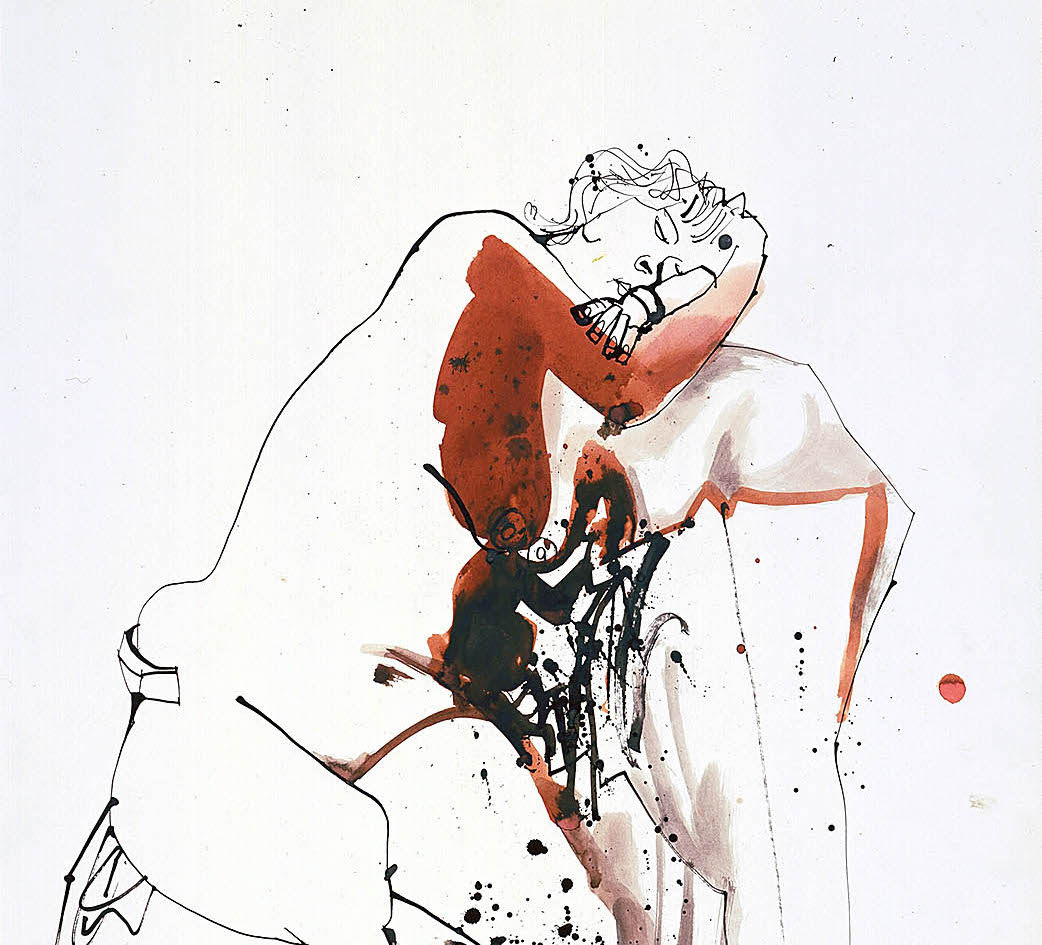
In September 2017, a memorial dedicated to survivors of the "comfort women" system was unveiled in downtown San Francisco. As the largest modern sexual slavery system, the "comfort women" system was created and overseen by the Imperial Japanese Government between 1931 and 1945.

The fictional foods of climate novels emphasize the everyday violence of dwelling in crisis.
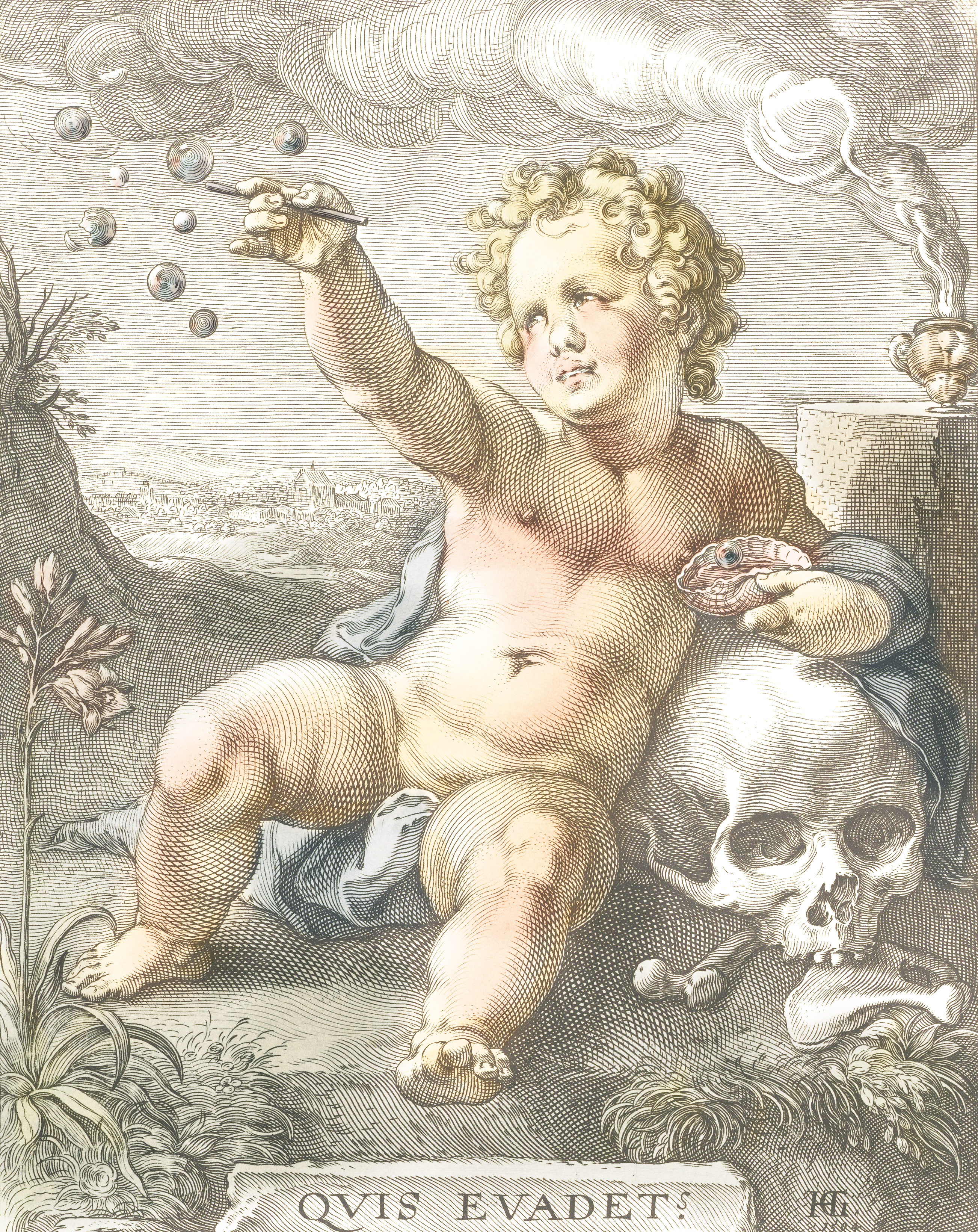
Pendant paintings are companion paintings that should hang on a wall together. Two of my favorite are of a married couple by Frans Halls, whose separate treatments might seem sexist at first sight [Fig. 1-2].


Though Shakespeare may not have invented parapraxes, he certainly exploited their psychological depths long before Freud.

Her run-on sentences are the mechanism for producing a distinctive reality effect. They deny, at the micro-level, any logical cohesion or narrative arc or life story, even as they are part of a retrospective narration whose end is never really in doubt.